Can we train the receiver, not just the response?
A lot of education and training understandably focuses on knowledge and performance. What does the learner need to know? What should they do in this situation? What does good performance look like? How can they practise until they can do it reliably? These approaches can work extremely well. NMF isn't intended to replace them. It asks whether there is something useful to explore further upstream. Before I can respond appropriately to something, it first has to become available to me. Before I can apply what I've learned, I need to recognise that this is a situation in which that learning matters. So perhaps training can work not only on the response. Perhaps we can train the receiver too.Knowing what to do isn't enough
Imagine teaching someone: If you see X, do Y. They learn Y perfectly. They practise it. They can explain why Y is the appropriate response. But in the real world, X doesn't usually arrive neatly labelled: ‘THIS IS X’. It arrives among everything else. Perhaps incomplete. Perhaps noisy. Perhaps slightly different from the examples used in training. Perhaps while the receiver is tired, distracted or dealing with several other demands. The learner may know exactly what to do if they recognise X. So the training problem may begin one step earlier: Will X become available to them at all?Train the model, not just the answer
Experience can change what becomes available to a receiver. A novice and an expert can encounter the same situation and notice different things. The expert may have developed a richer model of normal against which finer differences become available. Where the novice sees: ‘same’ the expert may see: ‘same, same, slightly different’. Perhaps part of training, then, is helping the learner build richer models of normal. Not simply: Remember this answer. But: Learn what normal looks, sounds or feels like. Then: Learn which differences might matter. And eventually: Develop enough resolution to notice useful differences for yourself. Not maximum resolution. Useful resolution for the purpose.Where does the learner currently get to?
Suppose an expert notices something that a learner doesn't. Simply telling the learner what they missed may help. But NMF gives us another question: Where in the process did the difference disappear? Perhaps the learner reaches: NO SNAG Nothing seems unusual. ↓ SNAG Something isn't quite right. The learner can't yet say what. ↓ NOTICE Something about this is different. The learner can begin to locate the difference. ↓ REPRESENTATION This is what seems different. The learner can construct a more useful representation of what they noticed. ↓ ARTICULATION This is how I can describe the difference. The representation can now be expressed to someone else. ↓ JUDGMENT This is what I currently make of it. The learner evaluates what the difference might mean. ↓ ACTION This is what I'm going to do. Act, investigate, ignore, escalate — or wait. ↓ LEARNING This is what happened. What changes next time? The outcome can contribute to the receiver who encounters the next situation. These aren't intended as rigid stages. They're a way of asking: Where is this receiver now — and what might we train next?Improvement can happen before success
This matters. Imagine that yesterday a learner encountered a weak warning signal and: ‘NO SNAG. Nothing became available. After training, they encounter something similar: Wait a second. Something isn't right. They still can't identify the problem. They can't diagnose it. They may not yet know what to do. At one resolution, they still haven't successfully completed the task. But something important has changed. A difference that previously passed unnoticed has become available. That gives the receiver an opportunity to allocate resources to it. Look again. Ask someone. Investigate. Escalate. Wait. Training has already changed what is possible.What changed in the receiver?
This gives us another way to think about training outcomes. The questions on the left remain important. NMF doesn't replace them. It adds another: What can this receiver do now that they couldn't do before? And, further upstream: What can this receiver notice now that would previously have passed them by?Train discrimination
Training doesn't necessarily require making more things snag. That could be counterproductive. If everything demands attention, the receiver quickly runs out of resources. The aim may be better discrimination. Which differences matter? Which are familiar variation? Which deserve another look? Which can safely pass? Which require immediate action? Expertise may involve becoming sensitive to finer differences and becoming better at ignoring differences that don't matter. So better training isn't necessarily: Notice more. It may be: Become better at noticing what matters — and letting the rest go.Train resource allocation
Noticing is only the beginning. Something catches. How much attention does it deserve? A second? A minute? An hour? Should I investigate it myself? Ask someone else? Stop what I'm doing? Ignore it? Wait? The learner is allocating finite resources under uncertainty. So training can expose learners not only to the right answer, but to decisions about how much resource a situation deserves. When is another look worth it? When do I know enough? When is GOOD ENOUGH good enough? When should uncertainty itself make me stop and investigate further?Train judgment, not certainty
Real situations rarely provide every piece of information we would like. At some point, the learner has to judge. A. B. Or WAIT. Training can help them practise making that decision deliberately. What differences matter? What evidence supports the representation? What assumptions are being made? What unit or ruler is being used? What threshold is appropriate? How confident is enough for this decision? The objective isn't to eliminate uncertainty. It is to help the learner make a sufficiently defensible judgment with the information and resources reasonably available.Build the model — but don't trap the learner inside it
There is a tension here. Training deliberately builds models. This is what normal looks like. These are the important differences. When this happens, consider that. That can make the receiver faster, more efficient and capable of finer discrimination. But the model can also become a constraint. The learner may become very good at recognising the situations they were trained to recognise while missing something that doesn't fit. So training needs another capability: Build the model. But remain open to questioning the model. Can the learner recognise: ‘This doesn't fit what I was taught.’ Can they resist forcing an unfamiliar situation into a familiar category? Can they remain open to another receiver who sees something different? Expertise isn't only having a richer model. It may also require remaining capable of revising it.Train with difference
This suggests a practical approach. Don't only show the learner the ideal example. Give them differences. Normal / not quite normal. A / B. Relevant / irrelevant. Strong signal / weak signal. Same outcome / different route. Same situation / changed circumstances. Ask: What caught you? What didn't? What's different? Does the difference matter? How do you know? What would make you change your mind? And importantly: What did the expert notice that the learner didn't — and can we make that difference available to the learner? Training becomes partly the deliberate construction of useful discrimination.Don't give away every answer too early
Sometimes an instructor sees the difference immediately. It can be tempting to point straight at it: Look here. This is the problem. Sometimes that's exactly what good training requires. But sometimes it may be useful to let the learner search. What catches? Where do they look? What do they eliminate? What representation do they construct? Where do they become uncertain? The learner's route provides information about the learner. If we supply the answer too quickly, we may successfully teach this example while learning less about the receiver who will encounter the next one.Learning changes the next training problem
Eventually something gets ‘banked’. A distinction that once required considerable thought becomes cheap and quickly available. The learner no longer needs to spend the same resources reconstructing it. That frees resources for something finer. Yesterday: Something is wrong. Later: This part is wrong. Later still: This particular difference is unusual, and here's why it matters. One block makes the next block possible. And as resolution increases, training can move with it. The learner hasn't simply accumulated more answers. The receiver has changed.A possible NMF training template
For any skill or domain, we can ask: 1. NORMAL What model of normal does the learner need? 2. DIFFERENCE Which differences should they become capable of perceiving? 3. NOTICE What currently snags — and what passes unnoticed? 4. RESOURCES Which differences deserve more attention, investigation or effort? 5. JUDGMENT What choices are available? What thresholds, units and rulers matter? 6. COMMITMENT & ACTION When is there enough to choose A, B or WAIT? 7. LEARNING What happened? What should be banked, questioned or changed? 8. NEXT RECEIVER What can this receiver now notice, distinguish or judge that they couldn't before? Then repeat. Not necessarily as a rigid sequence. As a set of questions for designing, observing and improving training.Could we train the receiver?
We think so — at least to some degree. Not instead of teaching knowledge. Not instead of practising actions. Not instead of measuring performance. But alongside them. Train the model. Train useful resolution. Train discrimination. Train resource allocation. Train judgment under uncertainty. Train openness to correction. And use what happens to change the next receiver. The test isn't simply: Did they learn the answer? It is also: What changed in the receiver? And perhaps the most interesting measure of all: What can they notice now that would previously have passed them by?
Training

A familiar training
question
NMF also asks
What should they know?
What can they now notice?
What should they do?
Will they recognise when to do
Did they get the right
How did they arrive at the judgment?
Did they follow the procedure?
Did they notice when it might not fit?
Did performance improve?
What changed in the receiver?
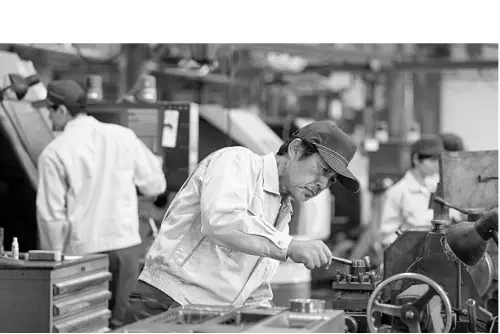
“Knowing what to do only helps
if you notice when to do it”.
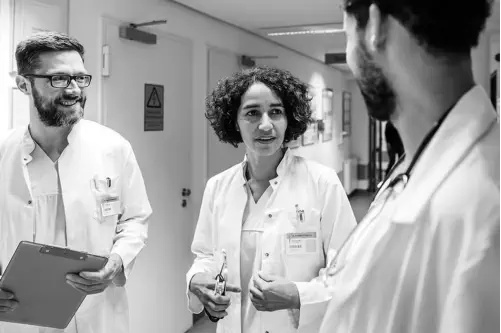
“Training can change not only how we respond,
but what we are able to notice.”
it.


© Normal-Model Framework - 2026


Can we train the receiver, not just
the response?
A lot of education and training understandably focuses on knowledge and performance. What does the learner need to know? What should they do in this situation? What does good performance look like? How can they practise until they can do it reliably? These approaches can work extremely well. NMF isn't intended to replace them. It asks whether there is something useful to explore further upstream. Before I can respond appropriately to something, it first has to become available to me. Before I can apply what I've learned, I need to recognise that this is a situation in which that learning matters. So perhaps training can work not only on the response. Perhaps we can train the receiver too.Knowing what to do isn't enough
Imagine teaching someone: If you see X, do Y. They learn Y perfectly. They practise it. They can explain why Y is the appropriate response. But in the real world, X doesn't usually arrive neatly labelled: ‘THIS IS X’. It arrives among everything else. Perhaps incomplete. Perhaps noisy. Perhaps slightly different from the examples used in training. Perhaps while the receiver is tired, distracted or dealing with several other demands. The learner may know exactly what to do if they recognise X. So the training problem may begin one step earlier: Will X become available to them at all?Train the model, not just the
answer
Experience can change what becomes available to a receiver. A novice and an expert can encounter the same situation and notice different things. The expert may have developed a richer model of normal against which finer differences become available. Where the novice sees: ‘same’ the expert may see: ‘same, same, slightly different’. Perhaps part of training, then, is helping the learner build richer models of normal. Not simply: Remember this answer. But: Learn what normal looks, sounds or feels like. Then: Learn which differences might matter. And eventually: Develop enough resolution to notice useful differences for yourself. Not maximum resolution. Useful resolution for the purpose.Where does the learner currently
get to?
Suppose an expert notices something that a learner doesn't. Simply telling the learner what they missed may help. But NMF gives us another question: Where in the process did the difference disappear? Perhaps the learner reaches: NO SNAG Nothing seems unusual. ↓ SNAG Something isn't quite right. The learner can't yet say what. ↓ NOTICE Something about this is different. The learner can begin to locate the difference. ↓ REPRESENTATION This is what seems different. The learner can construct a more useful representation of what they noticed. ↓ ARTICULATION This is how I can describe the difference. The representation can now be expressed to someone else. ↓ JUDGMENT This is what I currently make of it. The learner evaluates what the difference might mean. ↓ ACTION This is what I'm going to do. Act, investigate, ignore, escalate — or wait. ↓ LEARNING This is what happened. What changes next time? The outcome can contribute to the receiver who encounters the next situation. These aren't intended as rigid stages. They're a way of asking: Where is this receiver now — and what might we train next?Improvement can happen before
success
This matters. Imagine that yesterday a learner encountered a weak warning signal and: ‘NO SNAG. Nothing became available. After training, they encounter something similar: Wait a second. Something isn't right. They still can't identify the problem. They can't diagnose it. They may not yet know what to do. At one resolution, they still haven't successfully completed the task. But something important has changed. A difference that previously passed unnoticed has become available. That gives the receiver an opportunity to allocate resources to it. Look again. Ask someone. Investigate. Escalate. Wait. Training has already changed what is possible.What changed in the receiver?
This gives us another way to think about training outcomes. The questions on the left remain important. NMF doesn't replace them. It adds another: What can this receiver do now that they couldn't do before? And, further upstream: What can this receiver notice now that would previously have passed them by?Train discrimination
Training doesn't necessarily require making more things snag. That could be counterproductive. If everything demands attention, the receiver quickly runs out of resources. The aim may be better discrimination. Which differences matter? Which are familiar variation? Which deserve another look? Which can safely pass? Which require immediate action? Expertise may involve becoming sensitive to finer differences and becoming better at ignoring differences that don't matter. So better training isn't necessarily: Notice more. It may be: Become better at noticing what matters — and letting the rest go.Train resource allocation
Noticing is only the beginning. Something catches. How much attention does it deserve? A second? A minute? An hour? Should I investigate it myself? Ask someone else? Stop what I'm doing? Ignore it? Wait? The learner is allocating finite resources under uncertainty. So training can expose learners not only to the right answer, but to decisions about how much resource a situation deserves. When is another look worth it? When do I know enough? When is GOOD ENOUGH good enough? When should uncertainty itself make me stop and investigate further?Train judgment, not certainty
Real situations rarely provide every piece of information we would like. At some point, the learner has to judge. A. B. Or WAIT. Training can help them practise making that decision deliberately. What differences matter? What evidence supports the representation? What assumptions are being made? What unit or ruler is being used? What threshold is appropriate? How confident is enough for this decision? The objective isn't to eliminate uncertainty. It is to help the learner make a sufficiently defensible judgment with the information and resources reasonably available.Build the model — but don't trap
the learner inside it
There is a tension here. Training deliberately builds models. This is what normal looks like. These are the important differences. When this happens, consider that. That can make the receiver faster, more efficient and capable of finer discrimination. But the model can also become a constraint. The learner may become very good at recognising the situations they were trained to recognise while missing something that doesn't fit. So training needs another capability: Build the model. But remain open to questioning the model. Can the learner recognise: ‘This doesn't fit what I was taught.’ Can they resist forcing an unfamiliar situation into a familiar category? Can they remain open to another receiver who sees something different? Expertise isn't only having a richer model. It may also require remaining capable of revising it.Train with difference
This suggests a practical approach. Don't only show the learner the ideal example. Give them differences. Normal / not quite normal. A / B. Relevant / irrelevant. Strong signal / weak signal. Same outcome / different route. Same situation / changed circumstances. Ask: What caught you? What didn't? What's different? Does the difference matter? How do you know? What would make you change your mind? And importantly: What did the expert notice that the learner didn't — and can we make that difference available to the learner? Training becomes partly the deliberate construction of useful discrimination.Don't give away every answer too
early
Sometimes an instructor sees the difference immediately. It can be tempting to point straight at it: Look here. This is the problem. Sometimes that's exactly what good training requires. But sometimes it may be useful to let the learner search. What catches? Where do they look? What do they eliminate? What representation do they construct? Where do they become uncertain? The learner's route provides information about the learner. If we supply the answer too quickly, we may successfully teach this example while learning less about the receiver who will encounter the next one.Learning changes the next training
problem
Eventually something gets ‘banked’. A distinction that once required considerable thought becomes cheap and quickly available. The learner no longer needs to spend the same resources reconstructing it. That frees resources for something finer. Yesterday: Something is wrong. Later: This part is wrong. Later still: This particular difference is unusual, and here's why it matters. One block makes the next block possible. And as resolution increases, training can move with it. The learner hasn't simply accumulated more answers. The receiver has changed.A possible NMF training template
For any skill or domain, we can ask: 1. NORMAL What model of normal does the learner need? 2. DIFFERENCE Which differences should they become capable of perceiving? 3. NOTICE What currently snags — and what passes unnoticed? 4. RESOURCES Which differences deserve more attention, investigation or effort? 5. JUDGMENT What choices are available? What thresholds, units and rulers matter? 6. COMMITMENT & ACTION When is there enough to choose A, B or WAIT? 7. LEARNING What happened? What should be banked, questioned or changed? 8. NEXT RECEIVER What can this receiver now notice, distinguish or judge that they couldn't before? Then repeat. Not necessarily as a rigid sequence. As a set of questions for designing, observing and improving training.Could we train the receiver?
We think so — at least to some degree. Not instead of teaching knowledge. Not instead of practising actions. Not instead of measuring performance. But alongside them. Train the model. Train useful resolution. Train discrimination. Train resource allocation. Train judgment under uncertainty. Train openness to correction. And use what happens to change the next receiver. The test isn't simply: Did they learn the answer? It is also: What changed in the receiver? And perhaps the most interesting measure of all: What can they notice now that would previously have passed them by?
Training

A familiar training
question
NMF also asks
What should they know?
What can they now notice?
What should they do?
Will they recognise when to
do
Did they get the right
How did they arrive at the
judgment?
Did they follow the
procedure?
Did they notice when it might
not fit?
Did performance improve?
What changed in the
receiver?
“Knowing what to do only helps
if you notice when to do it”.
“Training can change not only how we respond,
but what we are able to notice.”
it.


